

Leave it all behind and hit the road in a campervan!
Come on…you know you want to do it! If you do, chances are good that vanlife is going to set the stage to do cool outdoor stuff. If you do outdoor stuff, you probably care about nature and the environment. If you care about the environment and nature, then you probably think about your ecological footprint – how much “cost” is there to how you live and what you do in terms of energy and resource use, and how much garbage you throw out.
Eco-footprint and vanlife are alike in one important way: smaller is almost always better.
But is it possible to do one – and have the other?

Not long ago, I was asked to talk about the Sustainability of Vanlife on a podcast called the Outdoor Minimalist. I dug deep into the hard facts and statistics. I also dug deep inside my soul about what I knew to be the challenging realities of the lifestyle based on my experience as an environmental scientist and about 5 years of full- or part-time vanlife. I wanted to avoid the tendency of articles on topics like these to sugar coat or assure everyone that’s “it’s all okay” so they can sleep at night, but I also didn’t want to automatically condemn vanlife based on the temptation to see the dark side of modern life as it relates to most things having to do with the environment.
If you have a short attention span and need to get to the point, I’ll give you a sneak peek and tell you that vanlife has challenges related to your ecological footprint, but if “living small” in a van in return inspires you to a life of overall dedication to a sustainable lifestyle and small ecological footprint…and maybe even inspires you to some amount of advocacy on behalf of the environment…well, it’s probably a life that you and the rest of the world can “live” with.
But the devil is in the details, so read on, all ye terrestrial sailors and motoring-vagabonds, to see what I mean and maybe even make my day by lifting a few of the tire tracks I’m laying down and making them your own.
What is Vanlife?
Do you need a van to embark on vanlife? What counts as a van anyway? Do moving vans count? What about passenger vans?
Let’s be inclusive here. The stuff I’m going to talk about can apply to any vehicle that someone overnights in for some amount of time, whether its long term or short term. Issues related to ecological footprint and sustainability of nomadic life in a vehicle apply to all mobile living arrangements. Van life is a subset of mobile living arrangements that can include Campers, RV’s school buses, truck campers, fifth wheels, ambulances, station wagons SUVs and on and on. If it has 4 or more wheels, someone has figured out a way to sleep and live in it.

It’s a blurred line that separates all of those. It’s true that a van probably offers up more freedom than a lot of those because you can get to places that you can’t get to in bigger campers, but a van might have less freedom than a 4 by 4 truck or SUV camper. But the things I’ll cover in this article apply to any mobile living arrangement.
‘RVing’ often means more stuff and more luxury, but again that line has blurred as vans have gone higher end. Generally, bigger RV’s use more materials to build, have poorer gas mileage, accommodate more stuff, and so on. That said, some friends of mine just picked up a small pull behind camper that can be pulled by an SUV, and is way simpler than a lot of vans out there.
Of course I’m biased, but it also may be true that there’s a “special kind of coolness” in camper vans that you just can’t get in other kinds of campers. If you go by what you see on social media and van life influencers, van life is all about adventures, amazing interiors with custom wood designs and plush sleeping quarters with curtains that open to beautiful views in the mountains, lakes and oceans. The influencer trade is peddling an idealized vision, and people are eating it up. There are over 15 million posts on Instagram with hashtag van life.

For many, van life is a life less complicated by things but sometimes more complicated by logistics. These logistics mean that van life presents challenges if you want to be someone on this earth that isn’t part of the environmental problem. But it’s hard to generalize the eco-footprint of van life because even within “van life,” situations vary widely.
Picture someone living in an old van, using a small propane stove to cook on, in a warm climate, parking it for a long time in one spot and surfing, or maybe parking it near work and riding a bike to work.
Now picture someone driving a new van – with low gas mileage, lots of plastic or high end finishings, solar panels with lithium batteries, diesel heater using it in ski season, eating food shipped from across the globe, with an ebike or motorbike on the back, changing locations every few days.
Both of those qualify as van life and they have vastly different eco footprints.
Is Van life an Extreme Form of Minimalism?
You could say that a minimalist lifestyle implies having only what you need in life, and you can’t fit that much in a van, therefore van life is minimalistic. There definitely are van lifers who only have what they can fit in a vehicle, but it seems way more common for people to have a base somewhere. I kept a small storage shelter for part of the time I was in the van – I’d go there and sit in my recliner every so often to get that homey feeling.
But Minimalism pulls in a lot of things beyond having just a little stuff. It includes a small ecological footprint – energy use, fewer commitments, and distractions, reducing consumption, quieter mind, radical simplicity…and that’s where it gets a little tricky with van life.
And a problem with grouping all of van life into one category…I’ve encountered people traveling in vans who have so much stuff packed in and on their van that it’s a roving billboard for excess.

So just because you’re in a van….in no way can you call it an extreme form of minimalism.
Minimalism can also imply peaceful life, and van life can get complicated. There are logistical complications that can be more challenging than having a physical home….where are you going to shower and then park or camp? There are issues like avoiding traffic, stressful fuel costs, things that break….it can be anything but minimalist in terms of logistics and stress.
I spent 2 years living in an 18-ft yurt and that was way more minimalist in complications and stress, ecological footprint, upkeep, and so on, compared to van life.
Conclusion: maybe your van life is minimalistic….but probably not.
What are the Environmental Impacts of Fulltime Van or RV travel?
Time to get real here and peel off some of that sugar coating of van life. I mentioned that impacts can vary, but if you’re someone who is on a mission to take as many selfies in as many places as possible, and you have a lot of high-end toys, and like to drink nice foreign wine and food from around the world…you’re going to have a big impact on this earth.
So, launching in….
Materials and Manufacture. Before you even get to impacts of living or traveling in a van or camper, a lot of natural resources and energy were used to build the vehicle itself. There’s environmental impact that goes along with extraction of raw materials and energy throughout the process needed to build it. Some may think that an older van has a lower cost, but when you factor in parts replacement, upkeep, and the fact that older vans may get worse gas mileage….a van on the road is a van on the road, and there are a host of environmental impacts associated with it getting and staying there.
Fossil Fuels. Newsflash: If you drive a van….you burn gas. It seems like the industry is in the early stages of electrical vans, but they are not there yet, and there are significant environmental impacts associated with the building and the battery aspect of electrical vehicles too.
Fact is, if you live in a vehicle, you probably drive more than if you lived in one spot, unless you park a van outside your workplace and walk. You might travel around just to travel. You might focus your life in a smaller area, but you need to drive to shower or use a bathroom, or just rotate your parking spot among your friends who let you driveway surf.
Fossil fuel use is a big impact and one that’s hard to mitigate. Obviously, you’re impacting the atmosphere. Living in a van full time means using a vehicle that gets poor gas mileage for errands and stuff that would have a way smaller footprint in gas and materials if it were a small car.
According to the USEPA, a typical car that gets 22mpg and is driven about 11,500 miles a year emits about 4.6 metric tons of CO2. You can adjust up or down based on your mpg and usage, but if you consider that the average van gets around 15mpg you’re emitting another 1 to 2 metric tons for every 11,500 miles you drive. So, there’s that. On top of that, a lot of vans also use propane as a fuel for cooking or heating.

Even if you have solar panels on your van, you can’t ignore the hidden environmental cost of renewable energy. It takes fossil fuel to mine the materials and then to manufacture solar panels and batteries, and then to build solar and wind facilities that might recharge your batteries. It’s never clear cut and easy.
Food – You obviously can’t grow your own food in a van. There’s a pretty big environmental impact that goes along with mass produced food you buy at a store, or that’s grown far away and shipped. Van storage space is tight, so you also have to shop more often because you can’t buy in bulk and store a lot. When you buy smaller portions, there tends to be more packaging per unit of food consumed because it’s hard to buy in bulk with so little space to store food. And that’s related to what comes next.
Waste – It seems maybe counterintuitive, but it’s kind of easy to generate a lot of garbage in van life because of that “per unit packing” issue. There also isn’t space to sort and keep recycling, so it’s almost impossible not to toss a lot of stuff out. From what I’ve seen on the road, not many people are recycling in camper life. If you are….kudos!

The reality is that, for many people, every trip to a gas pump equates to a trip to the garbage dump.
Water – Water includes both the source and amount used, and how you get rid of wastewater. As far as intake, you’ll probably use less. Conserving water is a bit easier in vans because you really can’t carry all that much, and filling up is one more detail, so you tend to treat it like gold. If you live in a small camper of any kind, you are definitely using and wasting less water than a typical home-based American. If you have a shower at all, it’s probably not high volume. BUT…if you’re separating your general use water and drinking water, and you use bottled water in plastic to drink, instead of refilling, then you’re definitely adding to the plastics problem.
As far as wastewater, there are an awful lot of people draining their gray water out in places that shouldn’t be. And there’s nothing good that comes out of that.
Add all those things I just listed together, and you at least have the potential for a fairly significant environmental impact.
Is Vanlife a Sustainable Lifestyle?
Sustainability is one of those “green terms” that’s so overused and misused that it’s hard to pin down what it really means. For the purpose of van life, I’ll refer to sustainability as it relates to resource use: “the avoidance of the depletion of natural resources to maintain an ecological balance.”
Another way to look at it: Sustainability is meeting our own needs without compromising the ability of future generations to meet their own needs, and that includes things like natural resources and energy.
This is no small thing because according to organizations that track this stuff, we’re using way more than our share of what we should use each year. There is this thing called Earth Overshoot Day. It’s the day in the year when humanity has used all the natural and biological resources that the earth can regenerate in a year…in other words what you need to really be sustainable. Earth Overshoot Day in 2024 was August 1…the rest of the year we were taking from the future – way more than our share.
For anything to be truly sustainable, there has to be either an endless supply, or you have to be replenishing it or renewing at the same rate you’re using it. The strategy for humans so far has been to deplete and look for more….but we know the earth doesn’t have an endless supply of resources and having energy that doesn’t contribute in some way to global warming is still eluding us.
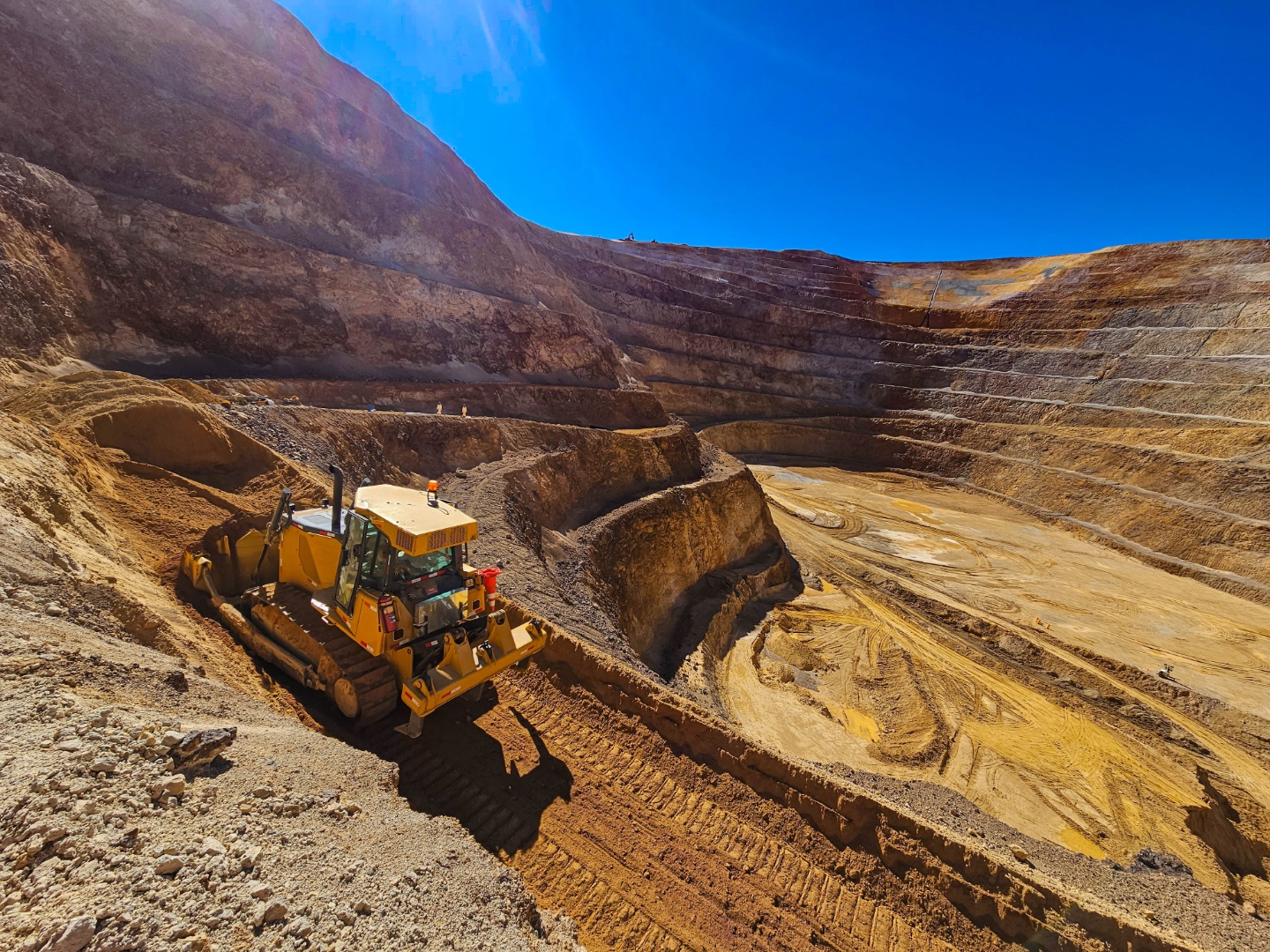
So ‘IS VAN LIFE SUSTAINABLE?’….. The direct answer is….No… not if van life is viewed on its own.
Vans and campers require materials and energy to build and living that life doesn’t do anything to replenish those things. Those vehicles then depend on a finite source of energy and more materials to operate it.
Happily, there is more to life than just what we drive and where we live. I can live in a net zero home (that’s made of all new materials that had a very large environmental impact), use cloth shopping bags and recycle my plastic, drive an electric car… and lay a pretentious claim to be green and not part of the problem, but if I’m wasteful in all other aspects of my life, spend too money, have a lot of stuff, drive a lot and have many toys…then I’m part of the problem. No matter where you live, it’s good to look at the big picture.
A van lifer might be able to get close to being “sustainable” if they are willing to do some offsets, or other things that compensate for their footprint. It depends on a whole lot of things that go far beyond what your gas mileage is and what materials went into the van. How you use it, how consumptive is the lifestyle you lead in the van, what activities are you engaging in, you mitigate it.
The question is how?
How Can Van- and Camper-lifers Lower Their Environmental Impacts and be as Sustainable as Possible?
Things that apply to van life and having a small eco footprint also apply to other forms of camper life, as well as to regular life in a regular house or apartment. They also can apply if you’re full-time in a van or using it for 2 weeks a year. Some of these might not be that easy, but …hey…if you care you’ll find a way. If you don’t care, then it’s easy to have a really big footprint.
1. In the Beginning – If you are at the “pre-vanlife” stage and have the luxury of some cash to work with, spend a bit more to get the highest MPG you can. Electric vans are still a few years off, but it’s worth considering the full set of impacts associated with those too.
If you’re doing your own buildout, you have the option of using recycled or sustainably harvested natural materials. Almost every blog article about living van life responsibly mentions getting solar panels on the roof of your van, and yes it’s a good idea overall, but acknowledge those panels didn’t magically appear….it’s likely there were significant environmental impacts, and probably social impacts, that came with mining the materials for them, and it’s likely that fossil fuels were used to make them. When you are auditing your impacts of van life, it’s a good idea to acknowledge solar as one of your “upfront costs.”

If you are not planning to be a full timer, give some thought to renting instead of buying a van. It may seem expensive…but there’s nothing cheap about buying any van and paying for upkeep. If I buy a van and it sits for 11 months a year, it means another van is being built for someone else, and those are some of the biggest impacts.
2. Simplify! – There’s an opportunity that comes with van life….and maybe the key one is to embrace and practice what van life is supposed to represent: simpler life, less stuff, calmer mind, fewer attachments. Do a personal audit and figure out how you can use less water, less power, and less of everything but maybe leave room for more smiles and hugs.
Yeah, I know all that sounds a little preachy, but our consumption of resources in the U.S. is absurd, and UNSUSTAINABLE from the perspective of resource use. My point about principles of van life that roll over into any kind of life is…and this is a big one….LESS IS MORE!

Take a hard look at your life….are you living with less in your van but you have a huge storage unit somewhere packed to the ceiling?
Learn to live without some comforts…do you really need an AC on the roof, a television on the wall, or a microwave in the closet, or showers every day? It all matters.
3. Minimize Fuel – Be mindful in your travel planning, with an eye on using less fuel. Drive less and stay longer. When you do drive, drive slower and get the best gas mileage you can get. I get almost 19 mpg when I drive in a sweet spot of about 40 to 55 mph. Above 60 mph, my van gas mileage drops off a cliff. When you drive a van, you’re basically driving a brick down the road, so it catches a lot of wind, and that costs miles and money.
Look at the way you cook. I have an induction cooktop and it works off my solar batteries, and I mentioned the impacts of solar, but those panels and batteries exist now, impacts have already occurred, so I use that instead of going outside and firing up a gas camping stove.
4. Manage Water – Manage both what you take in and what you put out. If you separate your water for drinking and general purpose, get good containers and reuse them. I have four 1-gallon jugs that I keep and refill just for drinking. My tank water is for shower and dishes.
And as inconvenient as it might be, don’t let your wastewater out in places that aren’t designed to receive it just because no one is looking; that’s the old “easy or good for me, but screw everyone else” attitude. There are all kinds of phone apps that have symbols for waste dump stations which every campground has. If you have a cassette toilet, you can use portapotties for waste.
It’s also good to keep in mind that even if you use only designated sites for water disposal, that whatever dumping station you’re using may not have perfect water treatment, so what you put into them matters. I recommend soaps with biodegradable and natural ingredients.
Set yourself up to be efficient with water consumption and disposal. Use a composting toilet if you can.
5. Think about Food! – Where was the food you buy produced? Was it shipped from across the globe? How much energy and chemicals went into producing it? Buy local and organic if you can.
6. Manage Garbage – Pay serious attention to the kinds and quantity of waste you generate. REUSE and REDUCE….you can recycle too, but our entire world isn’t really doing all that well in using recycled things, so to a large extent that means you’re just adding to a landfill. Do your best to minimize the number of things you buy with plastic wrapping and packaging, and maximize no packaging or biodegradable products. Try to make it a rule to not use disposable stuff.
Challenge yourself to see how long you can go without garbage drops. If you have to live with your garbage, you’ll find a way to generate less.
7. Life and Where to Live It – This one is huge. Be mindful of your impact and footprint on the environment everywhere you go, whether it’s a rest area or the middle of some BLM wilderness. Respect the land!!! Be aware of your footprint where you camp.
Some van lifers will do anything to get to a place that feels like no one has been or the perfect paradise…and the first thing they do is impact it in some way, and bit by bit it’s not so special a place anymore. Maybe our tires roll over and kill some plants, maybe we leave a miniscule amount of garbage, or relieve ourselves outdoors, maybe we interrupt some animals’ behavior….all of these leave a mark in some way. Whether it a dispersed camping site or boondocking site, overnighting invariably leaves an impact.

They may be less than pristine, but I actually prefer designated camping spots. If it’s a designated spot, most likely someone is looking after it. That can’t be counted on, though, so take a long look at the footprint you leave behind wherever you camp, particularly in dispersed camping areas.
8. Life Beyond the Van – Take a holistic life view, and consider and manage your overall footprint beyond just the van itself. What are the activities that the van enables you to do and what’s the eco-footprint of those. Do you use a lot of motors? Run a generator? How often are you buying new gear and throwing old stuff out.
9. Give Back – Accept that there are unmitigable impacts of van- or camper life and look for other ways to offset your footprint.
You can balance your footprint with offsets. Give back. Plant trees. Be an advocate for the environment and, even better, be an activist! You can consider purchasing carbon offsets for your footprint from a reputable offset organization.
Addressing your own footprint overlooks the fact that others have already left pretty big footprints almost everywhere. A big way to offset your impact and build up some positives in “your eco-account” is to LIBTIFI as a rule. “Leave It Better Than I Found It.” If you see garbage that someone else left, pick it up. If you encounter trails where foot or bike traffic have killed plants or are causing erosion, consider finding a new trail instead of compounding the damage by going around the damage and spreading it.

There are so many opportunities to build up your positive eco-juju….be a volunteer in your community for cleanups…join a protest over unacceptable environmental impacts….participate in trail maintenance days….and the list goes on.
SO!!
So, van life can be made to work close to sustainably, with a reasonable eco footprint……but only if it’s combined with an overall life commitment to practice resource and energy conservation and low impact living. Remember that LESS is MORE when it comes to van- and camper life: less driving, less stuff, less speed, and less stress.
Achieving a small ecofootprint is going to take a commitment that won’t be the easy way. but that’s like a lot of things that have to do with the environment….doing the right thing may not be the easiest, cheapest, or fastest…but in the end its absolutely more satisfying and more importantly, it’s something we can live with….we can VAN-live with it!

Categories: Adventure, Environmental Issues, Long Read, Travel, Uncategorized
Leave a Reply